

Concussions in Sports
Knowledge is Protection
By Mike Vallee
A growing body of research has changed how we think about concussions—and how we care for athletes who experience them. For parents and former athletes, being informed and prepared can play a vital role in prevention, protection, and recovery.
Do you remember when you first started playing sports? You probably thought you were invincible. You would head out to the field, court, or ice, and would play until you physically could not play anymore. As you got older, you carried that same mindset into your organized sports—it was fun, and all you wanted to do was keep playing.
However, injuries happened—you twisted an ankle, and it became swollen or maybe discolored. Easily recognizable. Or maybe you planted to change directions and felt a “pop” in your knee. You found yourself limping, your knee inflamed, and there was a painful “click” or buckle. You clearly were not the same, and you and your coach knew that you could not keep playing.
Top 10 Youth and Scholastic Sports with the Highest Concussion Rates:
- Boys Tackle Football
- Girls Soccer
- Boys Lacrosse
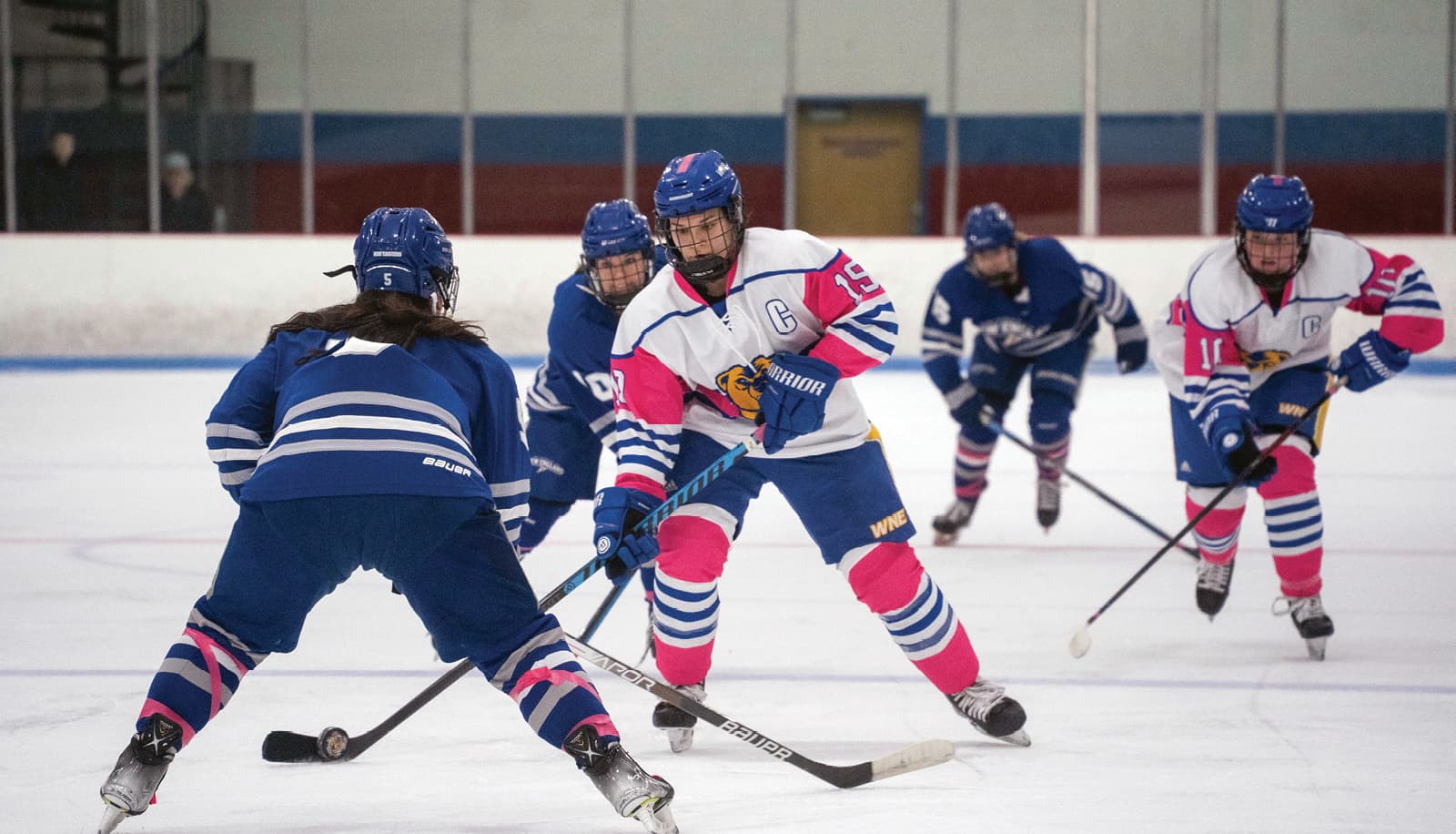
- Boys Ice Hockey
- Boys Wrestling
- Girls Lacrosse
- Field Hockey
- Girls Basketball
- Boys Soccer
- Softball
But what happened when you went up for a head ball in your soccer match and hit your opponent’s head? Or were blindsided by a hit in hockey or lacrosse, causing a whiplash injury and a temporary headache where you “saw stars”? Upon immediate assessment, you were able to answer your coach’s questions. There was no blood or swelling, and although you might not have felt quite right, you felt you “had” to keep playing. Maybe you asked your teammates to repeat the play, but that did not matter; you were not coming out. But you remember thinking, “Wow, is that sun bright!”
Since then, concussion education has come a long way, and it continues to make steady progress. Concussion research is now fluid, more data means more information, and our understanding of the topic continues to evolve. There are now resources accessible to recognize, evaluate, and treat—yes, even treat—concussions. It is now widely understood that multidisciplinary medical teams result in the best outcomes for a concussed student-athlete. What used to be the realm of neurologists now involves athletic trainers, primary care providers, physical and occupational therapists, counselors and mental health professionals, as well as neuropsychologists.
Children often feel invincible—especially when it comes to concussions, which do not leave visible marks. But as a parent, coach, or volunteer, it is your responsibility to emphasize the importance of concussion education and recovery. Doing so helps young athletes stay safe while continuing to enjoy an active, competitive lifestyle.
So, what can you, as a parent, coach, or volunteer, do to ensure your child can be active and safe whether in the backyard or in organized sports?
Prevention Begins with Education
Parents want to do everything possible to keep their children safe, including preventing concussions. The best way to prevent a concussion is simple: education. While most associate concussions with contact sports, it is important to recognize that they can also occur in non-contact sports or even during everyday activities—making awareness key to maintaining a safe and active lifestyle. For children who participate in contact sports, teaching proper tackling or checking techniques is vital to reducing risk.
There are many resources available for this; however, the Heads-Up Concussion training program through the CDC is free, easily accessible, and thorough. It also includes educational resources for coaches, parents, and health care providers. Staying up to date with your town and league requirements as parents, coaches, and volunteers can also help make a difference in the safety of your children and their teammates.

In addition to online resources, there are several products, from equipment to supplements, that claim to prevent, decrease the risk of, or speed up the recovery of concussions. While there is data supporting many of these products, there are also risks involved with each of them that should be considered prior to use. To ensure you choose what is best for your child, talk with a sports medicine professional about the most suitable options for their needs.
Fast Fact
Mouthguard use results in a 28% reduced concussion risk in ice hockey across all age groups.
Know the Signs!
There are a myriad of signs and symptoms that can result from a concussion. Concussions present differently in everyone, oftentimes, they can even differ in the same individual who has suffered multiple concussions. Familiarizing yourself with the signs and symptoms of a concussion can go a long way towards protecting your athlete and their teammates in the long run.
If your child or their teammate is suffering from a potential concussive impact, such as a physical blow in which force was applied or transferred to the head, remove them from activity and monitor them closely. Immediately watch for signs and symptoms, and if any appear, keep them out of play. Once it is clear the athlete has sustained an impact capable of a concussion and is displaying related symptoms, refer them to a healthcare professional for evaluation. Always leave the official diagnosis to the experts.
Concussions are graded on a severity scale, which helps to determine the best course of treatment. The NCAA, along with the majority of sports organizations, mandates that no athlete who sustains a concussion is allowed to return to sport on the same day.
Fast Fact
NCAA rules require that team physicians and athletic trainers have the unchallengeable authority to make all medical management and return-to-sport decisions for student-athletes.
Recovery is Key
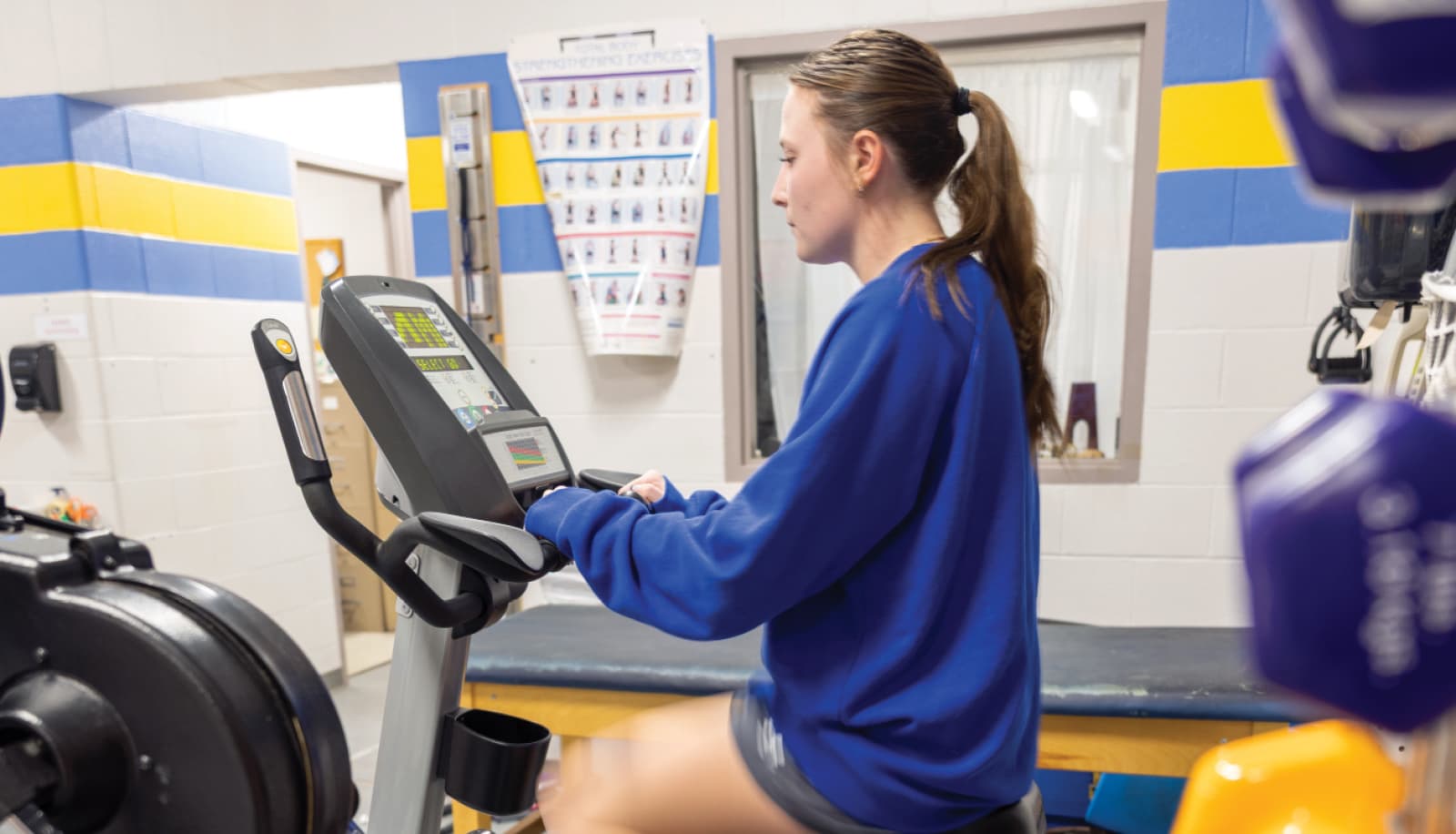
If you have ever suffered a concussion, you may remember that recovery once entailed a “strict” rest regimen until all symptoms were resolved. However, as the medical field continues to learn more about concussions, they have adjusted the recovery practice to recommend “relative” rest. This includes limiting physical activity and completely eliminating screen time during the first 48 hours. After that period, light activities are allowed—such as walking or a stationary bike—if they do not worsen symptoms or increase the risk of impact or falling. This approach has been shown to be beneficial in concussion recovery. As always, consult a healthcare provider before progressing in the recovery post-concussion process.
Once an athlete is without symptoms for at least 24 hours, they can begin a gradual return to activity progression. Typically, this timeframe continues for five days, with light aerobic activity on the first day through sport participation with contact on the last day. The athlete must be cleared by a licensed healthcare provider who is trained specifically in the care of sport-related concussions to return to full participation.
Signs/Symptoms of a Concussion
- Headache
- Dizziness
- Neck pain
- Nausea
- Vomiting
- Sensitivity to light and/or noise
- Difficulty with multitasking
- Poor memory
- Emotional instability
- Increased anxiety
- Mental confusion
- Feeling “foggy” or out of it
- Vision problems
Risks of Returning to Play Too Soon
While frustrating for athletes, the recovery process is a necessary piece to not only ensure their safe return to play but also for their futures. Educating young athletes on the severity of an untreated or mistreated concussion can better prepare them for success in their sport.
There are many additional side effects an athlete may experience if they do not adhere to the proper return to play progression. A primary concern with an early return to play is that the athlete will experience decreased reaction time, thus placing them at an increased risk of injury, repeat concussion, or even prolonged concussion symptoms. Another concern is the potential of Second Impact Syndrome or SIS. SIS is a serious condition that can occur when someone has repeated concussions in a short period of time, and the results can be catastrophic. Additionally, there is the risk of long-term neurological symptoms and deficits as a result of repeated head impacts and/or recurrent concussions.
Fast Fact
51% of concussions among girls who play high school basketball resulted from colliding with another athlete.
Due to the increase in attention over the past few years, many student-athletes have asked me about the risk of Chronic Traumatic Encephalopathy, or CTE. This condition has drawn significant attention, largely due to groundbreaking research conducted at Boston University’s CTE Center, as well as several high-profile cases that have captured national interest. What I tell our student-athletes is that although there are concerning trends, much more research is needed to establish a causal link between concussions and CTE. It is also important to note that the number of confirmed cases remains extremely small compared to the total number of individuals who are actively participating in sports or who have experienced concussions.
Evolving Our Understanding of Concussions
The first significant advancement in concussion care within the sports medicine field occurred in 2001, when multidisciplinary experts convened in Vienna for the inaugural International Conference on Concussion in Sport. Since then, ongoing research has greatly enhanced our understanding of the dangers associated with premature return to play following a concussion. As this body of knowledge continues to grow, it is essential for families to remain informed and engaged. With appropriate education and training, young athletes can confidently participate in sports and reap the many physical, social, and emotional benefits that come with being part of a team.
About the Author
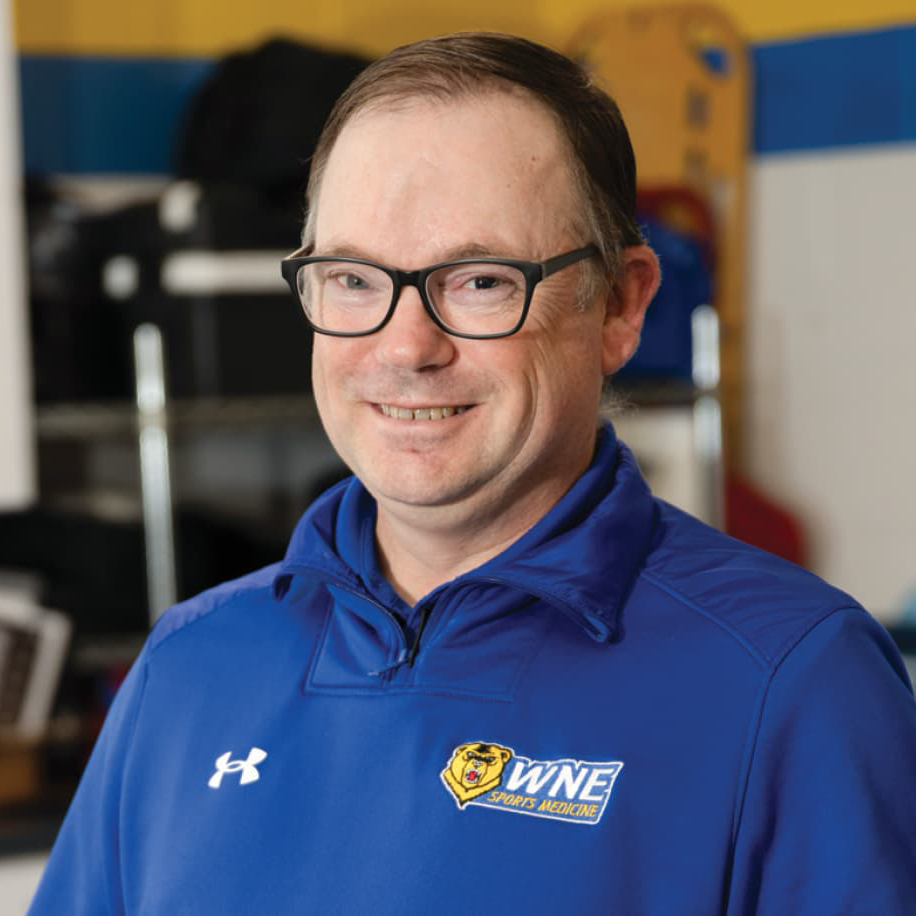
Mike Vallee has been a member of the Western New England University Athletics team since 2001. He began his tenure as an assistant athletic trainer and has served as the head athletic trainer for over 17 years. Vallee holds a bachelor’s degree in exercise science/athletic training from Ithaca College and a master’s degree in exercise physiology/human performance from Southern Connecticut State University.
With extensive experience working with athletes across various sports and age groups, Vallee has built a professional background that spans hospitals, outpatient clinics, colleges, secondary schools, professional sports, and youth clubs. He has consistently applied this expertise to ensure Golden Bear athletes stay safe and are ready to compete. In addition to his role in athletics, Vallee also serves as the NCAA athletic healthcare advisor for the campus.
